
Documentary Project Development
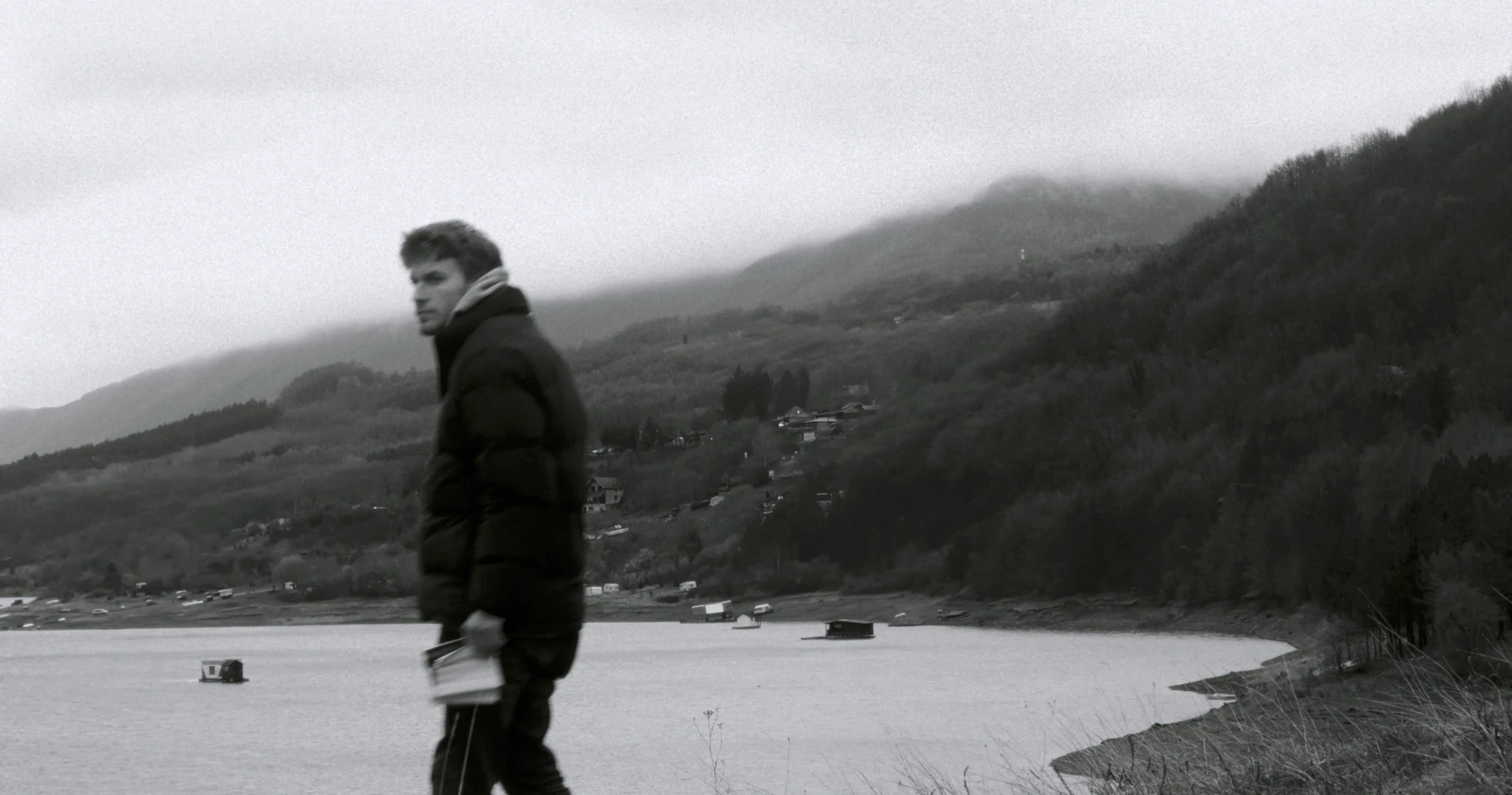
Development usually starts with research. It is important to establish whether the subject can support a single episode or a series format, and whether the project can be produced within realistic production conditions. At this stage, the approximate duration, number of locations and general narrative structure are already defined.
The next step is format structuring. In television production, the duration of the episode, rhythm of narration and filming approach must be clearly set. The format has to be suitable for broadcast, which means the structure must allow consistent production from one episode to another.
An important part of development is the evaluation of production requirements. Shooting days, crew size, travel and postproduction must be planned before production starts. In documentary projects, especially those filmed across multiple locations, inaccurate planning at this stage can cause serious problems later in the process.
Development also includes writing a treatment or script. A documentary project does not always require a detailed script, but it needs a clear structure. The progression of the story, possible contributors and the visual approach should be defined early.
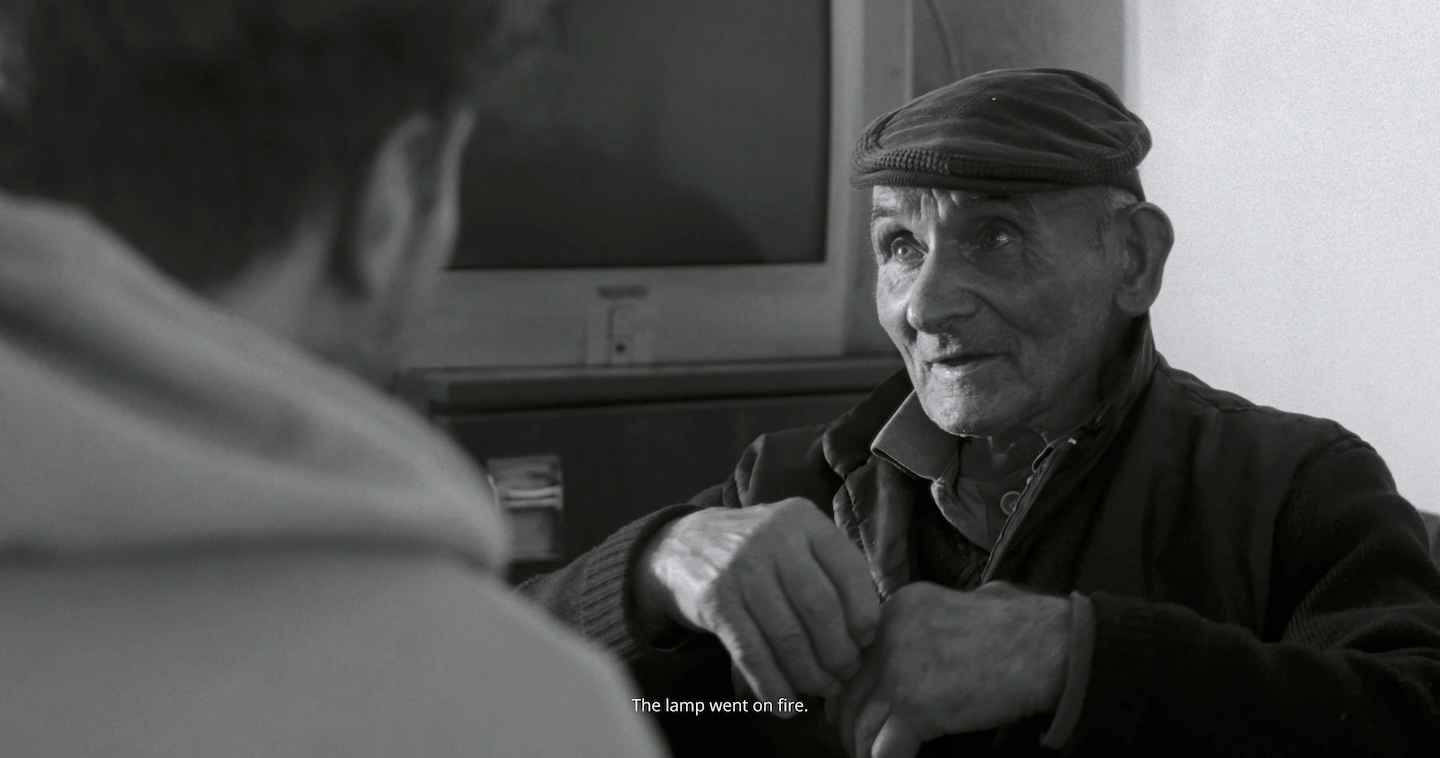
In television production, development is often connected to broadcaster requirements. Episode length, technical format, narration style and delivery deadlines all influence how the project is planned. For this reason, development and production have to remain aligned from the beginning.
In practice, documentary development is not only a creative process but also an organizational one. Decisions made at this stage affect filming, editing and final delivery. When development is precise, production can remain stable even when working in changing conditions.
In studios that work continuously in television production, development often runs parallel with other projects. Research, writing and preparation may continue while other productions are being filmed or edited. This workflow is common in studios that combine broadcast work with long-term documentary development.
For this reason, documentary project development represents the foundation of long-term production. It allows projects to be prepared in a way that makes filming, postproduction and broadcast delivery possible within professional standards.
Centar Cinema Editorial