
Producing a Documentary Television Program
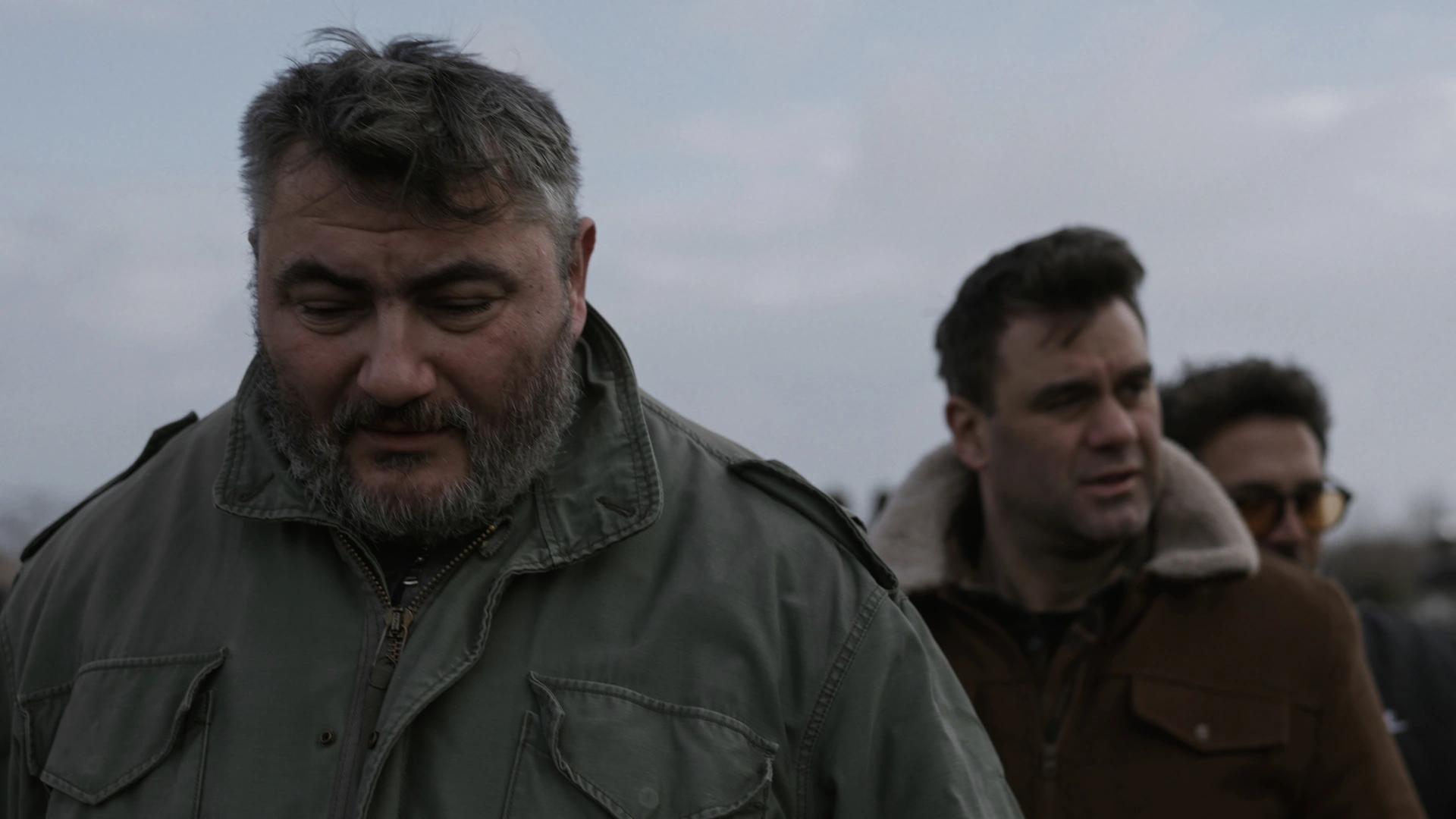
The process typically starts during format development. Episode duration, number of shooting days, field workflow and postproduction schedule must be defined early. In television production, these decisions are closely connected to broadcaster requirements, since delivery deadlines and technical specifications determine the overall production timeline.
Unlike fiction projects, documentary programs are rarely filmed in controlled conditions. Locations may be planned in advance, but the situation in the field can change. Weather, contributor availability or live events often affect the schedule and require adjustments during production.

For this reason, documentary television programs are usually filmed with small and flexible crews. Camera, sound and production operate simultaneously, without long preparation between scenes. This type of workflow requires precise planning as well as experience in organizing filming under changing conditions.
Postproduction often runs in parallel with filming. In series formats, editing may begin while the shooting is still in progress. Material is reviewed, logged and prepared for editing so that each episode can be delivered within the broadcast schedule.
A documentary television program must also meet technical broadcast standards. Image format, audio levels, graphics and final master delivery have to comply with the specifications required by the broadcaster. These requirements influence the production from the start, since the way material is recorded determines the final workflow.
When filming takes place across multiple locations, coordination becomes more demanding. Travel, permits, contributor scheduling and equipment transport must be planned in advance, but with enough flexibility to adapt to real conditions.
In practice, producing a documentary television program is a balance between planning and adaptation. The project needs a clearly defined structure, but also the ability to continue smoothly when circumstances change during filming.
For this reason, executive production plays a central role in this type of work. It maintains continuity, controls deadlines and ensures that the program is delivered according to broadcast standards, regardless of production complexity.
Centar Cinema Editorial